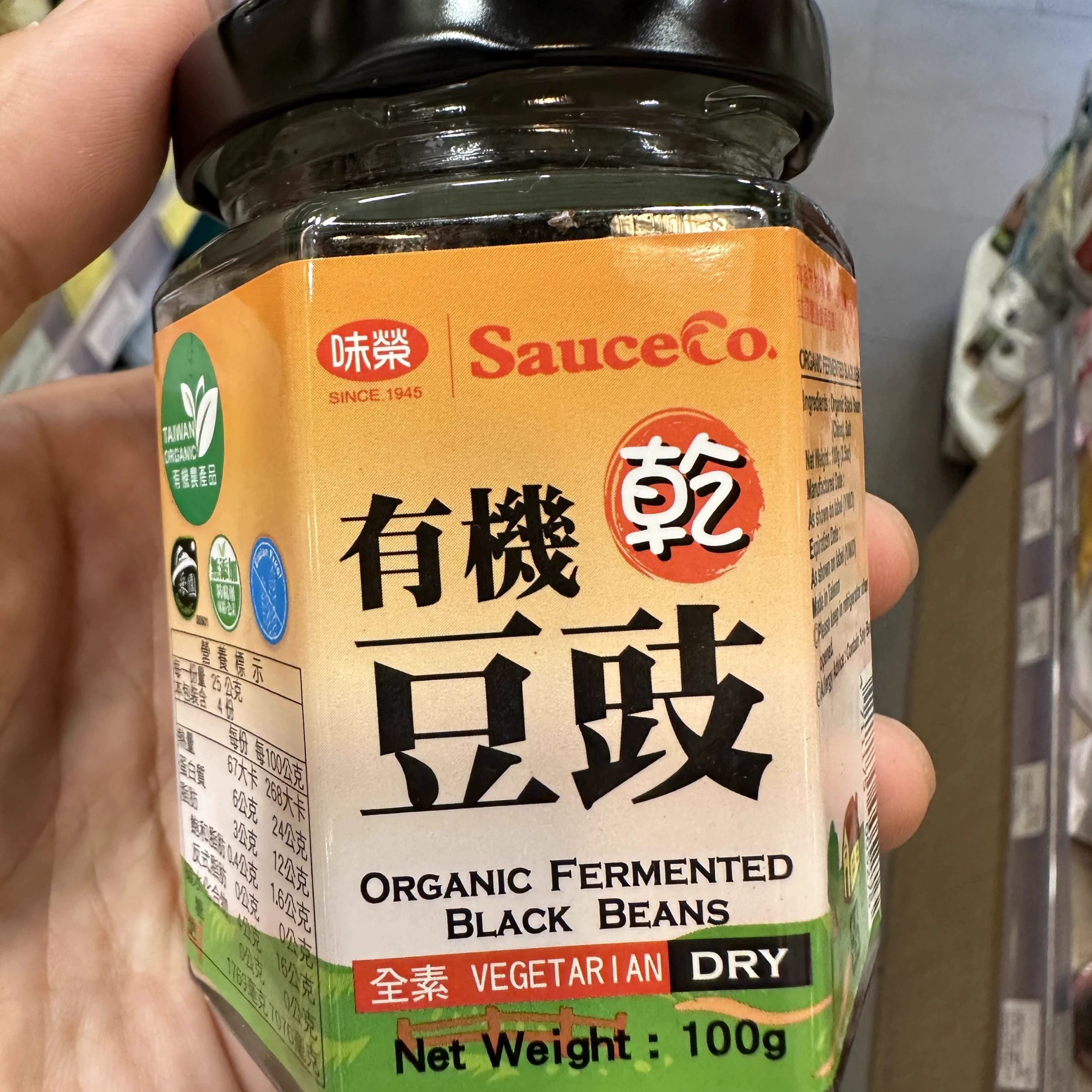

What is Spicy Fermented Soybean?
Douchi also known as dried soybean, fermented black beans, stinky soybean, spicy and fragrant soybean, nattō natto in Japan, douchi in Chinese, is a traditional fermented soybean seasoning in China, made mainly from black soybeans or yellow soybeans. It is produced using mold, such as aspergillus oryzae, or bacterial protease, to decompose soybean protein. After reaching a certain level, the fermentation process is suppressed by adding salt, alcohol, and drying methods. There are many types of douchi, which can be divided into black soybean douchi and yellow soybean douchi based on the processing raw materials, and into salty, light, dry, and water douchi based on taste.
How to DIY Douchi
Douchi is a traditional Chinese food that is rich in protein, various amino acids, lactic acid, phosphorus, magnesium, calcium, and multiple vitamins. It has a delicious taste and a certain health effect and can be processed and consumed in both the northern and southern parts of China. However, if the processing technique is not properly followed, it may lead to a decrease in quality, even mold contamination, causing economic losses.
I. Processing steps:
Black soybeans → screening → washing → soaking → draining (TY-II) → steam cooking → cooling → inoculation → koji-making → washing douchi → soaking in FeSO4 → salt mixing → fermentation → drying → finished product (dry douchi).
II. Key points of operation:
Raw material processing:
Raw material selection: fully matured, plump and uniform in size, thin-skinned and fleshy, free from insect damage, moldy or decayed, and with a certain degree of freshness in black soybeans is best.
Washing: Wash away sand and other impurities from the soybeans by using a small amount of water several times.
Soaking: The purpose of soaking is to allow the black soybeans to absorb a certain amount of water so that it can quickly reach the appropriate degree of denaturation during steaming; make the starch easy to gelatinize and dissolve the nutrients needed for mold growth; and provide the necessary moisture for mold growth. The soaking time should not be too short. When the absorption rate of soybeans is less than 67%, the koji-making process will be significantly prolonged, and the resulting douchi will not be soft after fermentation. If the soaking time is too long and the absorption rate exceeds 95%, the soybeans will absorb too much water and swell and lose integrity, causing the phenomenon of "burnt koji" during fermentation. Douchi made from over-fermented soybeans will be bitter in taste and easily moldy and decayed. Therefore, in the production process, we should choose soaking conditions at 40°C for 150 minutes, so that the absorption rate of soybean grains is 82%, and the volume expansion rate of soybeans is 130%.
Steam cooking: The purpose of steam cooking is to destroy the internal molecular structure of soybeans, so that the protein can be denatured adequately, and easily hydrolyzed, and the starch reaches the degree of gelatinization, while at the same time achieving sterilization. The cooking condition is determined to be 1kgf/cm2 for 15 minutes or atmospheric pressure for 150 minutes.
Koji-making:
The purpose of koji-making is to generate the corresponding enzyme system in the boiled soybeans under the action of mold. Rich metabolic products are produced during the brewing process, giving douchi a delicious taste and unique flavor.
After the soybeans are steamed, they are cooled to around 35°C, inoculated with Huzheng 3·042 or TY-II at 0.5% and mixed well in the koji room, keeping the room temperature at 28°C. After 16 hours, observe every 6 hours. At about 22 hours after koji-making, the first turning should be done, mainly to loosen the koji material, increase the space, reduce resistance, adjust the temperature, and prevent burning or bacterial contamination caused by temperature rise. The second turning should be carried out at 28 hours. Turning at the appropriate time can improve the quality of koji-making. If the turning is done too early, the spores that have sprouted will be suppressed. If the turning is too late, bacterial contamination or burning will occur due to the increase in temperature of the koji. When the koji is covered with mycelium and yellow spores, it can be collected. Generally, the koji-making time is 34 hours.
The fermentation of douchi is to use the protease produced during the koji-making process to decompose the protein in the beans, forming a certain amount of amino acids, sugars and other substances, giving douchi its inherent flavor.
1. Washing douchi: The surface of the douchi koji contains many spores and hyphae, which contain rich protein and enzymes. If the spores and hyphae are not washed away and continue to remain on the surface of the koji, some can be dissolved and hydrolyzed after fermentation, but a large part still remains in the form of spores and hyphae on the surface of the douchi koji. Particularly, the spores have a bitter taste, which can bring bitterness to the douchi and cause it to be dark in color.
2. Add alum to make the beans black and increase the brightness.
3. Soaking: Add 18% salt, 0.02% alum, and an appropriate amount of water to the koji, making sure that the water level reaches just above the koji surface, and soak for 12 hours.
4. Fermentation: Load the processed douchi koji into a jar until it is 80-90% full, compressing each layer during loading, and put it into a constant temperature room at 28°C-32°C for fermentation. The fermentation time is controlled at about 15 days.
When the douchi fermentation is complete, take it out of the jar and dry it in the air at a certain temperature, which is the finished product.
This is a homemade recipe that is very easy to make. During the hottest days of the summer, the yellow soybeans are cooked and then covered with sesame leaves or plastic wrap to ferment (to prevent moisture loss). Wait until a long layer of white hair or gray-black hair grows on top of the yellow soybeans (gray-black hair is a sign of the maturity of white hair mold and can be eaten with peace of mind; but if yellow hair grows, it indicates that it is Aspergillus flavus that cannot be eaten, which can cause poisoning). Then add salt and wine to sterilize, add some ginger, Sichuan pepper, and star anise, seal it well, and wait a period of time before eating. To eat, stir-fry it with oil and green onion, and the taste is amazing.
Why Eat fermented black beans?
Eating fermented black beans has many benefits. Firstly, it can help us to supplement various nutritional substances in our daily lives. Fermented black beans are rich in protein, fat, carbohydrates, and other nutrients that are very beneficial for our health. They also contain various amino acids and minerals, as well as vitamins. Eating fermented black beans can help prevent heart disease, and the molybdenum element in them also has an excellent anti-cancer effect.
Eating fermented black beans can also help to increase appetite, aid absorption, and promote digestion. They have a mild taste and can help to expel heat and promote sweating, as well as clear skin rashes. Additionally, eating fermented black beans can help to soothe the nerves and detoxify the body, which is helpful for preventing and treating conditions like colds, headaches, chest congestion, nausea, and even food poisoning.
The nutritional value of fermented black beans is also very high. They are not only delicious, but also contain large amounts of protein, fat, calcium, phosphorus, iron, cobalt, selenium, molybdenum, and other nutrients, as well as trace elements such as riboflavin and niacin. For people with poor health, eating fermented black beans regularly can help to supplement their nutrition and support their overall well-being.
Fermented black beans also have many health benefits. They can help with digestion, lower cholesterol, and reduce blood pressure. Different methods of fermentation can lead to different therapeutic effects. For example, fermented black beans that have been prepared with artemisia annua and mulberry leaves are cold, while those prepared with agastache rugosa and perilla leaves are warm.
Fermented black beans contain a variety of nutrients that can help to improve gut health and prevent disease, and they also have anti-aging effects and can boost cognitive function. They can be particularly useful for easing fatigue and reducing pain. Fermented black beans are also rich in the enzyme nattokinase, which can help to dissolve blood clots, and they can help to detoxify the body and neutralize toxins.
Overall, fermented black beans are a delicious and nutritious food that can provide many health benefits. They are versatile ingredients that can be used in a variety of dishes and can be easily incorporated into your daily diet to support your health and well-being.
Taboos for Eating Fermented Black Beans:
Although fermented black beans are very delicious and have excellent health benefits, we need to pay attention to the taboos for eating fermented black beans. People with Shanghan syndrome, Yin meridian injuries, and those whose Fu organs are directly affected by an illness should not eat light-colored fermented black beans. In addition, when taking certain medications, we should avoid eating fermented black beans, as they can cause side effects. Furthermore, people with weak stomachs should not eat fermented black beans frequently, as this can cause vomiting.
Groups of People Suitable and Unsuitable for Eating Fermented Black Beans:
Fermented black beans have a good taste and high nutritional value. They are suitable for most people, particularly those with blood clots. However, there are many groups of people who should avoid eating fermented black beans, such as those with liver disease, kidney disease, digestive ulcers, and atherosclerosis.
Precautions for Eating Dried Soybean:
There are several precautions to bear in mind when eating fermented black beans. Firstly, the elderly should not eat them in large quantities; 50 grams per day is enough. Additionally, fermented black beans are high in sodium, so if a dish already contains fermented black beans, it is best not to add extra salt. This can increase the risk of hypertension, heart disease, and stroke. Moreover, people with weak spleen and stomach function, or those who are prone to vomiting, should avoid eating fermented black beans.
Common Methods of Cooking with Stinky Soybean
Fermented black bean fish canned food:
First, clean the freshwater fish and fry until crispy. Then put oil in a wok, add ginger slices, garlic, and fermented black beans to stir-fry until fragrant. Next, add cooking wine, soy sauce, sugar, and a little water to make a seasoning sauce. Then, add the crispy fish and stir-fry with the seasoned sauce. Finally, add a suitable amount of fermented black beans, and the delicious fermented black bean fish canned food is ready.
Can Pregnant Women Eat Spicy and Fragrant Soybean?
Pregnant women can eat fermented black beans in moderation, but they should not eat them excessively. Eating fermented black beans can help to increase appetite and supplement nutrition.
In conclusion, we have introduced fermented black beans as a delicious and nutritious food that can provide multiple health benefits. Fermented black beans have a good taste and high nutritional value. However, there are certain people who should avoid eating them due to their health conditions. When using fermented black beans in cooking, we should also pay attention to certain precautions to avoid any negative effects on our health.
Specifications:
Production license number: SC11452032700767
Factory Name: Guizhou Liangxin Original Soybean Factory
Factory Address: Longshan Primary School, Yuanlongshan Village, Yongan Town, Fenggang County, Zunyi City, Guizhou Province
Ingredients list: soybeans, chili, edible salt, pepper powder
Storage method: room temperature
Shelf life: 180 days
Food Additives: None
Origin: Mainland China
Province: Guizhou Province
City: Zunyi City
Net content: 500g
Storage conditions: room temperature
About Damage:
If there is obvious damage to the courier packaging, please reject the delivery and contact customer service with pictures for resolution.
About Disputes:
If you need to resolve any issues, please contact our store’s customer service as soon as possible, and we will provide you with a satisfactory solution. You can also request customer service to contact company leaders for direct resolution. Both parties should base their interactions on friendly negotiation. Legal disputes can be brought to the court where the seller is located.
Guarantee:
Please review our guarantee policy.
If you encounter any issues with your order, please contact us before opening a dispute. We will send you a free replacement after confirming the problem.
For a full refund, please return the item(s) to us in their original packaging and provide us with the shipping tracking number. Once we receive the package, we will issue a full refund.
 Payment:
Payment:
- We currently accept Paypal, Visa and MasterCard as payment methods.
- If you experience any difficulties checking out immediately after payment, please wait a few minutes and try again.
- In the event that you need to cancel an order, please be patient and contact sales@specialtyshoponline.com for a refund. You can then place a new order and complete the payment process.
- When placing your order, please specify your preferred colors, correct address, city, state/province, telephone number, and any other necessary information in the order remarks, or send us a message at sales@specialtyshoponline.com.
- Epacket: Delivery takes 15-25 days in the EU and USA, and 20-35 days in Russia.
- DHL, FedEx Express: Delivery takes 5-7 days.