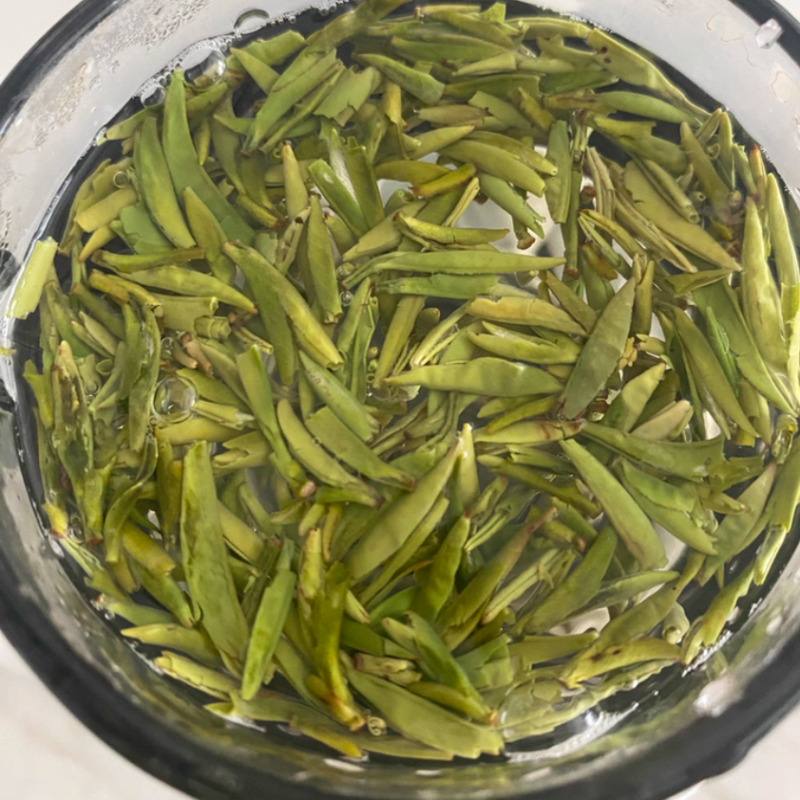

Raw Pu-erh tea and ripe Pu-erh tea are two distinct types of tea, differing significantly in their production process, appearance, aroma, taste, liquor color, durability, nutritional content, and suitable consumer groups.
1. Production Process
Raw Pu-erh tea is made from fresh tea leaves that undergo processes such as pan-frying, rolling, and drying. In contrast, ripe Pu-erh tea is further processed from raw tea through a fermentation process known as “wet piling.” Therefore, the degree of fermentation is a key difference between raw and ripe Pu-erh tea.
2. Appearance
Raw Pu-erh tea leaves are lighter in color, typically pale yellow or greenish-yellow. Ripe Pu-erh tea leaves are darker, appearing reddish-brown or black. Additionally, ripe tea leaves often have a layer of “storage aroma,” which raw tea lacks.
3. Aroma
Raw Pu-er fermented tea has a fresh, pure aroma with distinctive floral and fresh scents. Ripe Pu-erh tea, on the other hand, has a richer, more subdued aroma with unique aged and mellow notes.
4. Taste
Raw Pu-er fermented tea offers a refreshing, slightly bitter taste with a certain level of astringency. Ripe Pu-erh tea has a thicker, sweeter taste with less astringency.
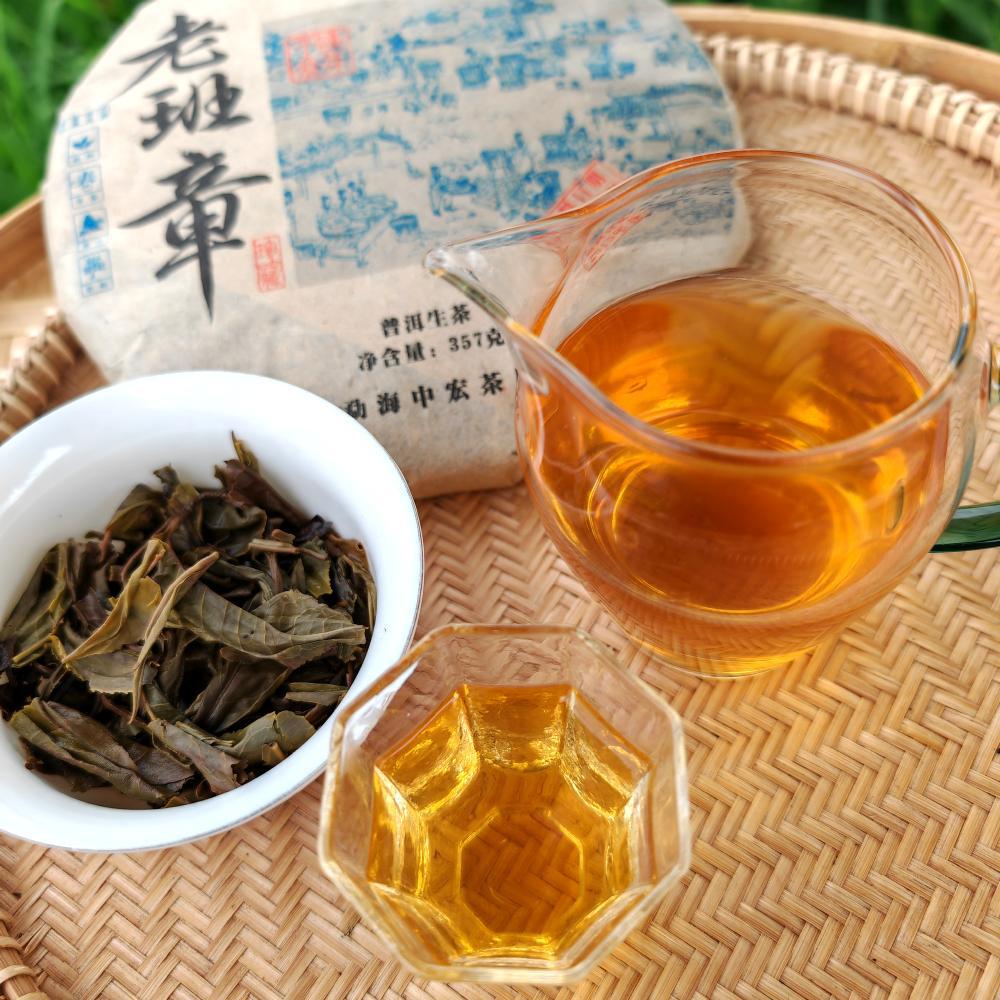
5. Liquor Color
The liquor of raw Pu-erh fermented tea is typically pale yellow or yellow-green, while the liquor of ripe Pu-erh tea is reddish-brown or dark red.
6. Durability
Raw Pu-erh tea is more durable and can generally be steeped 8-10 times. Ripe Pu-erh tea is less durable, usually only good for 3-5 steeps.
7. Nutritional Content
Both raw and ripe Pu-er teas are rich in tea polyphenols, amino acids, and minerals. However, some nutritional content is lost during the fermentation process of ripe Pu-erh tea.
8. Suitable Consumer Groups
Raw Pu-erh tea is suitable for younger people, offering benefits such as refreshing the mind and detoxifying the body. Ripe Pu-erh tea is more suitable for middle-aged and elderly people, as well as those with cold stomachs or weak spleens, providing benefits such as warming the stomach, reducing fat, and lowering blood pressure.
In summary, raw Pu-erh tea and ripe Pu-erh tea have distinct differences in various aspects. When choosing tea, one should consider personal taste and needs.