
Fresh Tea VS Aged Tea Introduction
One of the most frequently asked questions among tea lovers is:
“Is fresh tea better, or aged tea better?”
Every time you walk into a traditional tea shop, you’ll likely hear two completely different opinions.
The shop owner might proudly offer you a freshly harvested green tea:
“Try this year’s new tea—fresh, vibrant, and full of spring energy.”
But in the corner, there is often an old compressed Pu-erh cake quietly stored for years, and the same owner might lower his voice and say:
“This one… is the real treasure.”
So which one is actually better? The answer is not as simple as it seems.
👉 Explore authentic Chinese teas here:
https://specialtyshoponline.com/product-category/chinese-teas/
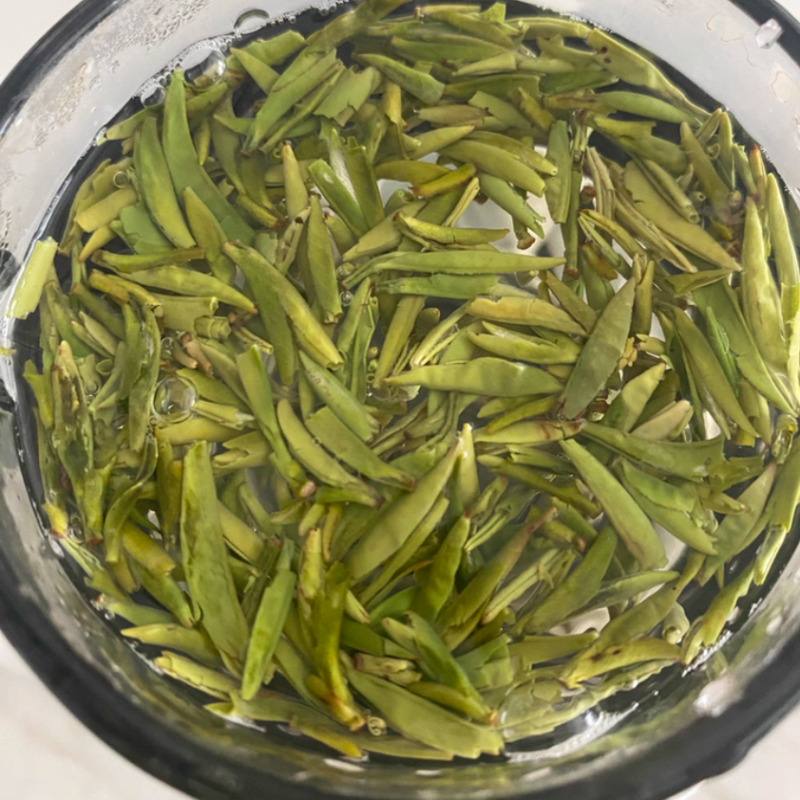
🍃 1. Fresh Tea – The Value of “Freshness”
For teas like green tea and yellow tea, freshness is everything.
A great cup of Longjing (Dragon Well) or Biluochun is defined by its bright aroma and refreshing taste, almost like capturing spring in a cup.
🌱 Why Fresh Tea Matters
Fresh tea is rich in:
- Amino acids (especially L-theanine)
- Volatile aromatic compounds
- Natural green pigments
However, these components are fragile. Once tea is processed, they begin to degrade over time due to:
- Light exposure
- Oxygen oxidation
- Heat and humidity
⚠️ What Happens Over Time?
As tea ages:
- Fresh aroma gradually fades
- Taste becomes flat or dull
- Color turns darker or yellowish
- Bitterness may increase
That is why green tea is best enjoyed as fresh as possible, ideally within the same season.
🍂 2. Aged Tea – The Value of Time
When it comes to Pu-erh tea, white tea, and some oolong teas, the story is completely different.
Here, time is not the enemy—it is the master craftsman.
🕰️ How Aging Transforms Tea
Under proper storage conditions (stable temperature, humidity, and airflow), tea undergoes slow natural transformation:
- Bitter compounds gradually mellow
- Tannins oxidize into smoother structures
- Aroma evolves into deeper notes such as:
- aged wood
- herbal tones
- dried fruit sweetness
🍵 Real Example
A young raw Pu-erh tea may taste:
- bitter
- sharp
- slightly astringent
But after 5–10 years of proper aging, it can become:
- smooth and mellow
- golden and clear in color
- rich in lingering sweetness
White tea is another classic example:
Over time, its antioxidant compounds increase, and its character becomes more gentle and calming.
🧭 3. So… Which One Is Better?
The truth is simple:
👉 There is no universal “better tea.”
There is only different tea for different purposes.
- Fresh tea = freshness, brightness, energy
- Aged tea = depth, smoothness, complexity
It is similar to comparing:
a young, energetic voice vs. a wise, experienced one
Both are valuable—just in different ways.
🏡 4. Practical Tea Storage Tips
If you want to enjoy tea properly—fresh or aged—storage matters.
🍃 For Green Tea (fresh teas)
- Store in airtight packaging
- Keep in a cool, dark place
- Refrigeration (or freezing for long-term storage) is recommended
🍂 For Pu-erh tea / White Tea (aging teas)
- Store in breathable packaging (paper or cotton wrap)
- Keep in a dry, odor-free environment
- Avoid plastic sealing or humid basements
⚠️ Never expose tea to strong odors or moisture, as it will ruin the flavor profile.
🍵 Final Thoughts
Tea is deeply personal.
Some people love the vibrant freshness of new tea, while others prefer the calm depth of aged tea.
There is no right or wrong choice—only what suits your moment, mood, and taste.
So next time someone asks:
“Fresh tea or aged tea—which is better?”
Just brew a cup, take a sip, and tell them:
👉 “Both are good. It depends on what kind of time you want to taste today.”
🍃 Explore More Chinese Teas
Discover a curated selection of authentic Chinese teas, including green tea, Pu-erh, white tea, and more:
👉 https://specialtyshoponline.com/product-category/chinese-teas/

