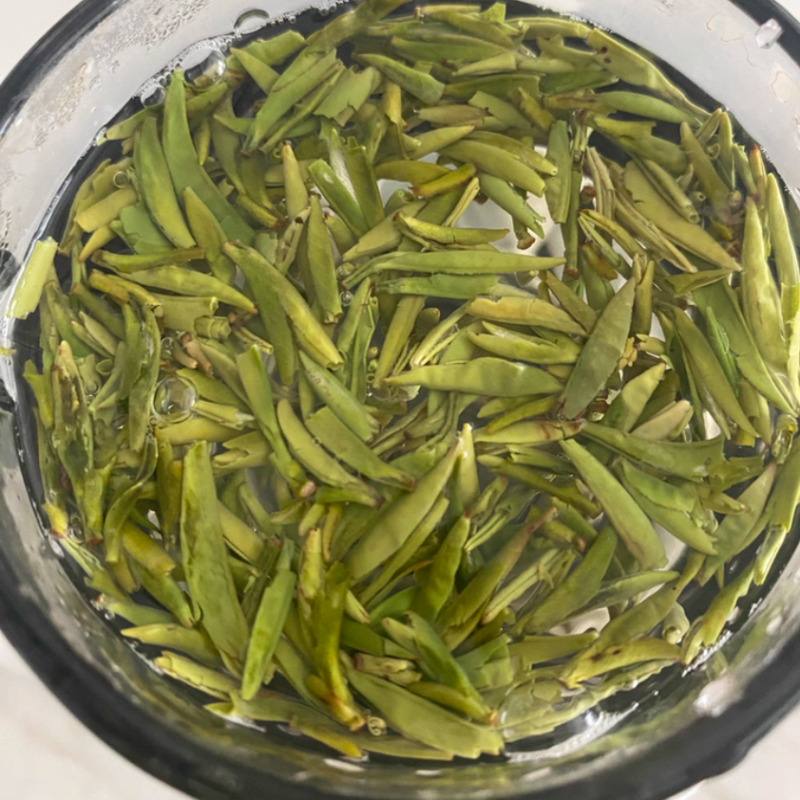
🌿 Chinese Tea Processing Introduction
Chinese tea processing is one of the most important stages in determining the final quality, aroma, and character of Chinese tea.
From traditional hand stir-frying methods to modern mechanized production, each step plays a crucial role in shaping the final tea.
This article combines tea classification, traditional stir-frying techniques, and production methods to give a complete overview of Chinese tea craftsmanship.
👉 Explore premium Chinese teas here:
https://specialtyshoponline.com/product-category/chinese-teas/
🍃 1. Tea Classification Table
| Tea Type | Fermentation Level | Key Processing | Characteristics |
|---|---|---|---|
| Green Tea | Unfermented | High-temperature fixation (180–200°C) | Preserves green color and fresh aroma, such as Longjing and Biluochun |
| Black Tea | Fully fermented | Rolling + fermentation (80–100°C) | Red liquor, sweet and rich taste, such as Keemun and Zhengshan Xiaozhong |
| Oolong Tea | Semi-fermented | Shaking (20–25°C, 70–80% humidity) | Floral aroma, green leaf with red edge, such as Tieguanyin and Wuyi Rock Tea |
| White Tea | Slightly fermented | Natural withering + drying | Silver-white appearance, light sweetness, such as Silver Needle and Shoumei |
| Yellow Tea | Light fermentation | Sealed yellowing (moist heat process) | Yellow leaves and golden soup, such as Junshan Yinzhen |
| Dark Tea | Post-fermented | Pile fermentation + aging | Dark color, smooth and mellow taste, such as Pu-erh tea |
🔥 2. Tea Stir-Frying (Sha Qing) Process
Tea stir-frying is a key process in tea production. It removes moisture and shapes the tea leaves through heat treatment, mainly including fixation, rolling, and shaping.
Traditional methods use a three-pot continuous wok system with bamboo tools. The process is divided into three stages:
- First wok (180–200°C): High-temperature fixation
- Second wok: Medium heat rolling and shaping
- Third wok (130–150°C): Fine shaping and final drying
The technique involves movements such as shaking, tossing, pressing, and kneading to control leaf formation.
Hakka stir-fried tea belongs to the unfermented green tea category and is known for its roasted aroma and sweet aftertaste.
Modern production increasingly uses intelligent electric wok systems and automated production lines to achieve precise control of temperature and timing.
📜 Historical Background
Tea stir-frying dates back to the Wei and Jin dynasties. During the Ming and Qing dynasties, Hakka stir-fried tea became a regional specialty.
Today, tea cultivation in Meizhou reaches over 329,500 acres, making it one of the largest tea-producing regions in Guangdong.
Modern competitions and automation technologies continue to improve production efficiency and standardization.
🍵 Stir-Frying Tools
Tea stir-frying uses three connected woks:
- First wok (fixation stage)
- Second wok (rolling stage)
- Third wok (final shaping stage)
The wok is slightly tilted (25–30 degrees), and bamboo brushes are used for stirring.
🔥 Stir-Frying Method
Tea farmers summarize the process as:
“First wok rotates full, second wok applies strength, third wok refines shape.”
- First wok: High heat fixation (180–200°C), 1–2 minutes
- Second wok: Medium heat rolling, forming strip shape
- Third wok: Low heat shaping (130–150°C), repeated tossing and shaping
Leaves move continuously between bamboo brush and wok surface until they become tight and aromatic.
⚙️ Process Differences
Hakka stir-fried tea is a non-fermented green tea but differs from standard green tea due to its unique roasting process.
- Handmade tea: more intact leaves, brighter appearance, cleaner taste
- Machine-processed tea: uneven shape, possible breakage or over-roasting
🏡 Home Tea Stir-Frying Guide (Green Tea Example)
1. Picking & Pre-treatment
- Pick one bud with one or two leaves
- Remove impurities and rinse quickly
- Air-dry in a cool place for 4–6 hours
2. Fixation (Kill Green)
- Use iron or stainless-steel wok
- Heat to 180–200°C
- Stir-fry 150–200g per batch
- Stir quickly for 1–2 minutes until aroma changes
3. Rolling
- Roll while leaves are still warm
- Apply gentle pressure to form strips
- Avoid breaking leaves
4. Drying
- Low heat (80–90°C) or oven drying
- Stir until moisture content is below 5%
5. Cooling & Storage
- Cool before storage
- Keep sealed, dry, and away from light
🌱 Conclusion
Tea production is a delicate balance of temperature, technique, and craftsmanship.
From traditional stir-frying methods to modern automated systems, every step defines the final character of the tea.
👉 Discover authentic green teas here:
https://specialtyshoponline.com/product-category/chinese-teas/green-tea/