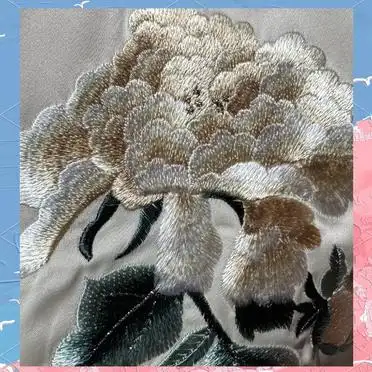
Chinese embroidery is one of the most refined traditional handicrafts in the world. Among hundreds of regional embroidery styles, the most famous are known as the Four Famous Chinese Embroidery, which include Su Embroidery, Shu Embroidery, Xiang Embroidery, and Yue Embroidery.
These four styles are recognized as National Intangible Cultural Heritage of China, representing the highest level of traditional Chinese textile art, with a history of more than one thousand years.
You can explore authentic handmade works here:
- Su Embroidery Collection
- Shu Embroidery Collection
- Xiang Embroidery Collection
- Yue Embroidery Collection
Each embroidery style has its own regional culture, techniques, and artistic value.

What Are the Four Famous Chinese Embroidery Styles
The Four Famous Chinese Embroidery refer to:
- Su Embroidery (Suzhou, Jiangsu)
- Xiang Embroidery (Changsha, Hunan)
- Yue Embroidery (Guangzhou / Chaozhou, Guangdong)
- Shu Embroidery (Chengdu, Sichuan)
These four styles represent the highest achievements of Chinese silk embroidery.
Browse all embroidery categories:
Chinese Embroidery Collection
Su Embroidery – Elegant and Extremely Delicate
Su embroidery comes from Suzhou, Jiangsu Province and is famous for its delicate and elegant style.
Features
- Extremely fine stitching (40+ needle techniques)
- Soft and elegant colors
- Smooth lines
- Very detailed images
Famous subjects
- Flowers and birds
- Landscapes
- Portraits
- Double-sided embroidery
Su embroidery is often called
“The Pearl of Oriental Art”
It is considered the most refined embroidery style in China.
Xiang Embroidery – Realistic and Powerful
Xiang embroidery comes from Changsha, Hunan Province and is known for realistic and vivid designs.
Features
- Strong color contrast
- Realistic animal embroidery
- Special needle method for fur texture
- Strong three-dimensional effect
Famous saying:
Su embroidery for cats, Xiang embroidery for tigers
Xiang embroidery is famous for lifelike animals, especially lions and tigers.
Yue Embroidery – Rich, Colorful and Decorative
Yue embroidery comes from Guangdong Province, including Guangzhou embroidery and Chaozhou embroidery.
Features
- Bright colors
- Gold and silver threads
- Rich patterns
- Strong decorative style
Popular subjects:
- Dragon and phoenix
- Birds
- Auspicious animals
- Traditional Chinese symbols
Yue embroidery was once exported to Europe and became popular in royal courts.
Shu Embroidery – Rich Techniques and Balanced Style
Shu embroidery comes from Chengdu, Sichuan Province.
Features
- More than 130 stitching methods
- Smooth and neat needlework
- Bright but natural colors
- Strong folk culture influence
Common subjects:
- Panda
- Flowers
- Fish
- Sichuan scenery
Shu embroidery is known for both artistic beauty and practical use.
Which Chinese Embroidery Has the Highest Artistic Value
It is difficult to say which embroidery is the best, because each has its own artistic system.
However, from different perspectives:
International influence
Su embroidery and Xiang embroidery won awards at the 1915 Panama International Exposition.
Technique complexity
Shu embroidery has the largest number of stitching methods.
Realistic skill
Xiang embroidery is famous for lifelike animals.
Cultural elegance
Su embroidery represents classical Chinese scholar aesthetics.
Market value
Many Su embroidery and Xiang embroidery works have been sold at very high prices in modern art markets.
Conclusion
If judged by overall reputation and refinement,
Su embroidery is often considered the highest artistic level,
but the four styles together represent the peak of Chinese traditional embroidery art.
Why Collect Traditional Chinese Embroidery
Chinese embroidery is not only decoration but also cultural heritage.
Reasons collectors love it:
- Handmade art
- Silk thread craftsmanship
- Cultural symbolism
- Long history
- Investment value
Explore handmade embroidery here: